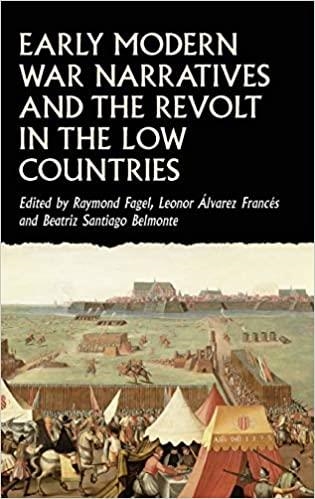
By the end of the sixteenth century, stories about the Revolt in the Low Countries (c. 1567-1648) had begun to spread throughout Europe. These stories had very different authors with very different intentions. Over time the plethora of sources and interpretations faded away, leaving us with opposing...
By the end of the sixteenth century, stories about the Revolt in the Low Countries (c. 1567-1648) had begun to spread throughout Europe. These stories had very different authors with very different intentions. Over time the plethora of sources and interpretations faded away, leaving us with opposing canonical narratives. The Dutch and Spanish national myths were forged on the basis of two visions of the conflict: as a liberation war against cruel Spanish oppressors and as a glorious episode in the history of the Spanish Empire. This volume delves into the early, seemingly anecdotal stories of the war to map the great variety and interconnection of the narratives. It asks such questions as how did the Jesuits write about the Revolt, what can we find in Italian chronicles and how did the war look from the perspective of a local nobleman or a Spanish commander? -- .
Este sitio web almacena datos como cookies para habilitar la funcionalidad necesaria del sitio, incluidos análisis y personalización. Puede cambiar su configuración en cualquier momento o aceptar la configuración predeterminada.
Las cookies necesarias ayudan a hacer una página web utilizable activando funciones básicas como la navegación en la página y el acceso a áreas seguras de la página web. La página web no puede funcionar adecuadamente sin estas cookies.
Personalización
Las cookies de personalización permiten a la página web recordar información que cambia la forma en que la página se comporta o el aspecto que tiene, como su idioma preferido o la región en la que usted se encuentra.
Análisis
Las cookies estadísticas ayudan a los propietarios de páginas web a comprender cómo interactúan los visitantes con las páginas web reuniendo y proporcionando información de forma anónima.
Marketing
Las cookies de marketing se utilizan para rastrear a los visitantes en las páginas web. La intención es mostrar anuncios relevantes y atractivos para el usuario individual, y por lo tanto, más valiosos para los editores y terceros anunciantes.