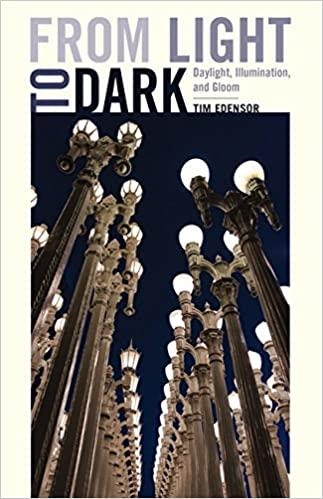
Light pervades the world, and when it is not light, darkness emerges and is combated by electric illumination. Despite this globally shared human experience in which spaces appear radically different depending on time, season, and weather, social science investigation on the subject is meager. From ...
Light pervades the world, and when it is not light, darkness emerges and is combated by electric illumination. Despite this globally shared human experience in which spaces appear radically different depending on time, season, and weather, social science investigation on the subject is meager. From Light to Dark fills this gap, focusing on our interaction with daylight, illumination, and darkness.
Tim Edensor begins by examining the effects of daylight on our perception of landscape, drawing on artworks, particular landscapes, and architectural practice. He then considers the ways in which illumination is often contested and can be used to express power, looking at how capitalist, class, ethnic, military, and state power use lighting to reinforce their authority over space. Edensor also considers light artists such as Olafur Eliasson and festivals of illumination before turning a critical eye to the supposedly dangerous, sinister associations of darkness. In examining the modern city as a space of fantasy through electric illumination, he studies how we are seeking-and should seek-new forms of darkness in reaction to the perpetual glow of urban lighting.
Highly original and absorbingly written, From Light to Dark analyzes a vast array of artistic interventions, diverse spaces, and lighting technologies to explore these most basic human experiences.
Este sitio web almacena datos como cookies para habilitar la funcionalidad necesaria del sitio, incluidos análisis y personalización. Puede cambiar su configuración en cualquier momento o aceptar la configuración predeterminada.
Las cookies necesarias ayudan a hacer una página web utilizable activando funciones básicas como la navegación en la página y el acceso a áreas seguras de la página web. La página web no puede funcionar adecuadamente sin estas cookies.
Personalización
Las cookies de personalización permiten a la página web recordar información que cambia la forma en que la página se comporta o el aspecto que tiene, como su idioma preferido o la región en la que usted se encuentra.
Análisis
Las cookies estadísticas ayudan a los propietarios de páginas web a comprender cómo interactúan los visitantes con las páginas web reuniendo y proporcionando información de forma anónima.
Marketing
Las cookies de marketing se utilizan para rastrear a los visitantes en las páginas web. La intención es mostrar anuncios relevantes y atractivos para el usuario individual, y por lo tanto, más valiosos para los editores y terceros anunciantes.